
Mark it as urgent
The form now has an emergency service option plus symptom checkboxes that help separate active backups from routine work.
Urgent septic issue
This page is written for Surrey septic backup emergencies: sewage coming up into the home, several fixtures failing together, or wastewater surfacing around the tank or field.
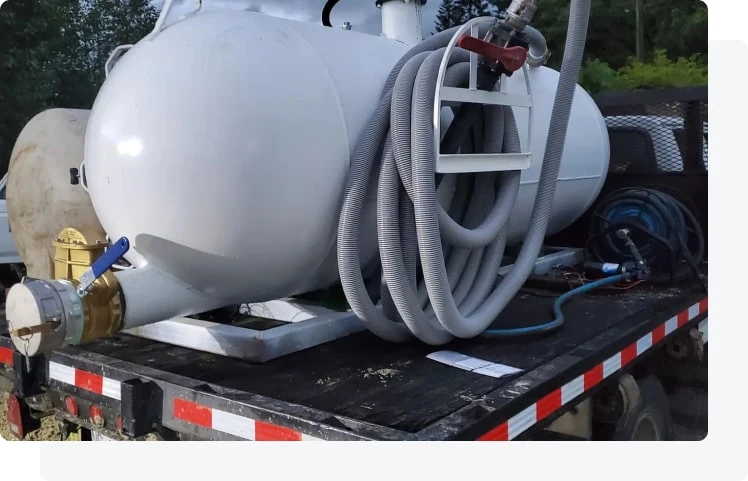
What to do first
This page avoids promising fake dispatch times or emergency phone coverage. It focuses on safe first steps, clear intake, and urgent-request language until real response details are approved.
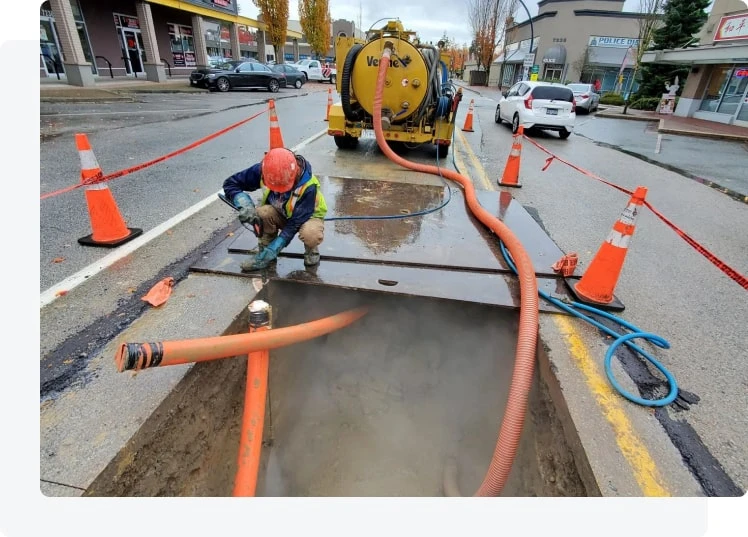
Grounded emergency context
Visitors dealing with a backup need calm instructions, but they also need to see that the page is grounded in real Surrey-area septic service rather than generic emergency messaging.
Using grounded truck-and-crew imagery makes the page feel more legitimate while the copy stays careful about response promises.
How urgent requests are handled
The form now has an emergency service option plus symptom checkboxes that help separate active backups from routine work.
Multiple blocked fixtures, odours, alarms, and standing wastewater help the request get triaged more cleanly.
Even urgent pages still route into the central request form so the site has one reliable conversion path instead of scattered dead ends.
Related pages
If the problem is recurring but not currently overflowing or backing up indoors, the inspection page may be the better destination. If the issue turns out to be overdue routine care, the pumping page is ready too.
Emergency contact details
If the issue is active or worsening, call first for the fastest triage, or use the request form and clearly mark the symptoms as urgent. If several drains are slow but nothing is backing up yet, the inspection page for odours, alarms, and drain problems is usually the better fit than waiting for a full emergency. If you first need to confirm neighbourhood fit before sending the request, the Surrey service areas page is the quickest local check.
Related service paths
Emergency intent is different from routine or diagnostic intent, so these links help visitors and search engines understand the separation.
Use the inspection page for serious symptoms that still need diagnosis before the right next move is obvious.
Compare with septic inspectionsIf the system mainly needs routine service and a pump-out, the pumping page is the better fit.
See septic tank pumpingThe maintenance page helps Surrey owners think about pumping frequency, warning signs, and preventative planning before the next messy surprise.
Read maintenance guidanceFAQ
Yes. The site is set up so urgent visitors can state the problem clearly in the request form instead of hitting a dead end. They can mark the request as urgent and describe the backup symptoms in detail.
Treat it as urgent if sewage is backing up indoors, several drains or toilets fail together, or wastewater is surfacing outside near the tank or field.
Use the inspection page when the problem is serious but not actively backing up, such as recurring odours, slow drains, alarm lights, or symptoms that still need diagnosis.
Real field visuals
Emergency service pages land better when the visuals suggest actual response work, crew readiness, and messy real-world conditions.
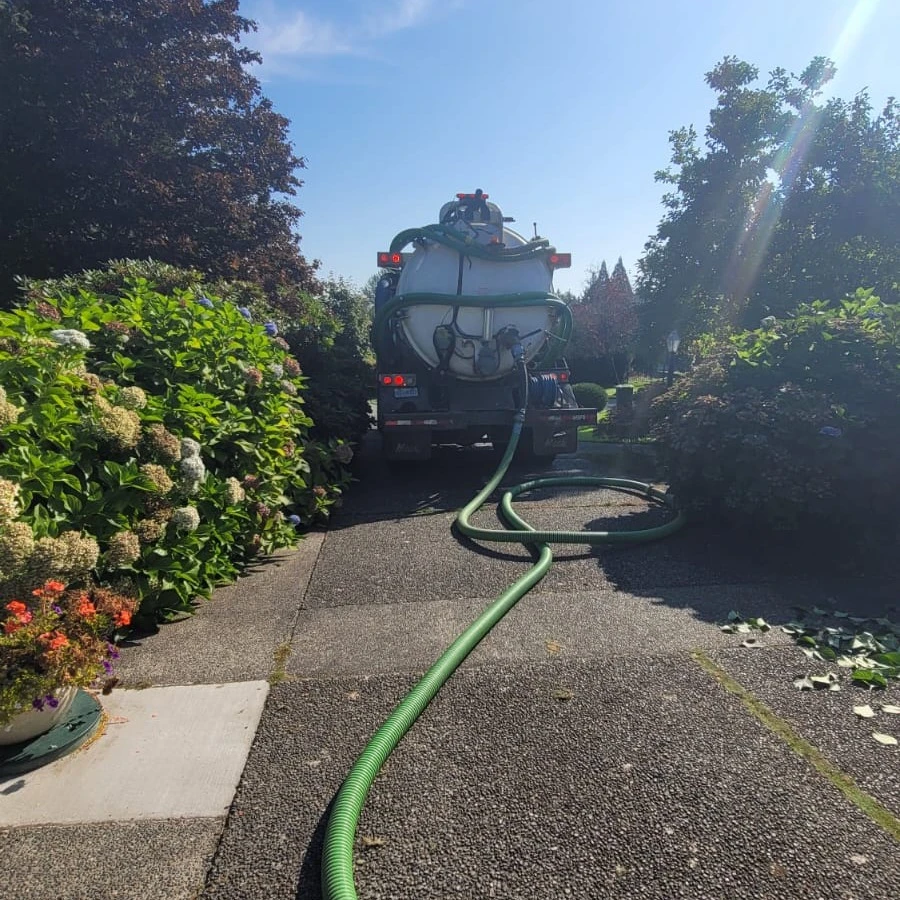
A real equipment photo makes the emergency path feel more immediate and operational.
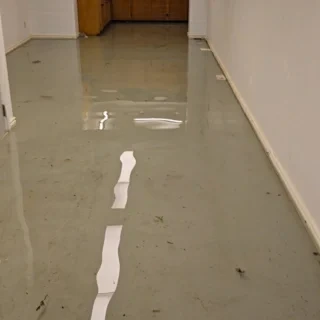
The social feed adds real urgency and field-response credibility without relying on exaggerated design cues.