
Last known pump-out date
If records exist, add them. Even rough timing helps create a better picture of the system.
Routine septic service
This page is for Surrey properties that are due for a routine pump-out, showing slow-drain or odour warning signs, or missing a clear septic tank pumping history after a move or ownership change.
Warning signs
What to expect
A pumping visit should help homeowners understand whether the need looks routine, overdue, or worth a closer inspection based on what is happening at the property.
What helps the request go faster
If records exist, add them. Even rough timing helps create a better picture of the system.
Mention gates, long driveways, recent landscaping, or anything that affects locating or reaching the tank.
Slow drains, odours, or wet areas should still be noted so the request is not treated like a generic pump-out only.
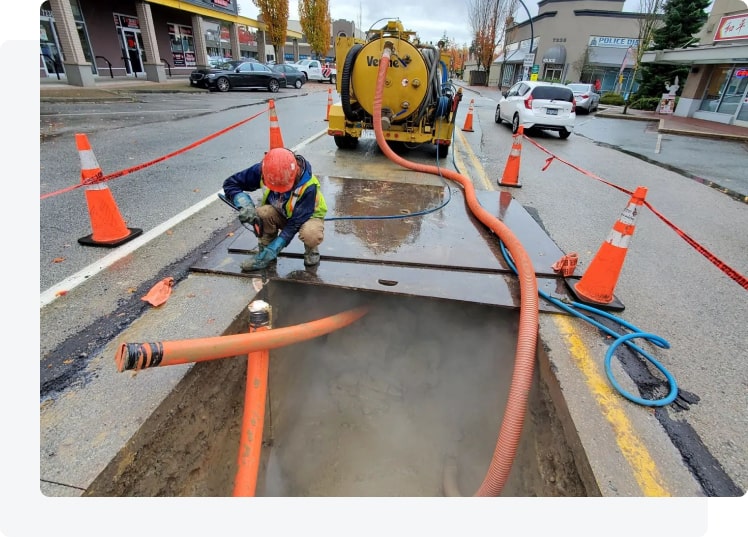
Field-ready request
Including access, timeline, and symptom details helps the request get reviewed with the right property context from the start.
Grounded service context
Visitors want to know whether this looks like routine Surrey septic work on real properties. A grounded truck-and-driveway visual answers that faster than generic stock imagery.
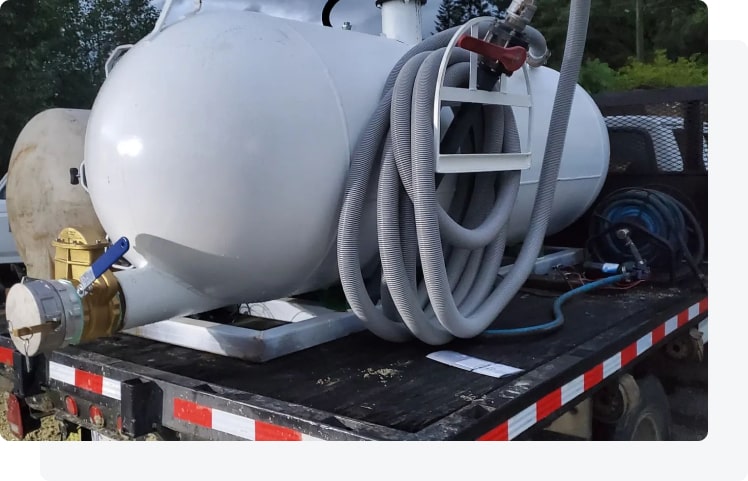
Why homeowners use this page
Contact details
Use the request form for routine pumping details, or call if the situation is moving quickly and you want a faster first triage.
Next conversion step
The site keeps the next step simple: open the form, describe the property, and say whether the need is routine septic tank pumping, urgent backup help, or a more uncertain inspection-type issue.
Before you submit the form
A short checklist helps homeowners send the details that make routine pumping requests easier to review and schedule.
Long driveways, locked gates, soft ground, or tank lids hidden by landscaping are worth mentioning up front.
New owners and inherited properties do not need perfect documentation. A rough timeline is still useful.
If there are odours, soggy areas, or repeated drainage issues, say so now so the request is not treated as purely routine.
Related service paths
If the issue turns out to be more than overdue pumping, these pages make the next step clearer without sending visitors back to generic navigation.
Use the septic inspection and troubleshooting page for recurring odours, alarms, wet spots, or problems that do not look like simple routine pumping.
Compare pumping vs. inspection helpUse the emergency septic service page when sewage is backing up indoors or wastewater is surfacing outside.
See emergency septic backup helpUse the septic maintenance page if you mainly want pumping frequency guidance, record-keeping tips, or preventative service planning before the tank is actually due.
See septic maintenance and pumping guidanceFAQ
If the system is simply due, pumping is usually the right starting point. If you have repeated odours, wet ground, alarms, or symptoms that do not clearly point to normal tank maintenance, the inspection page is the better fit.
Yes. If maintenance records are missing or uncertain, pumping can be a practical reset point and a chance to note what kind of follow-up the system may need.
Yes. The request page includes service categories and symptom checkboxes so urgent backup issues, inspections, and routine pumping requests can all flow through the same conversion path.
There is no one-size-fits-all interval because tank size, household use, occupancy, and maintenance history all matter. For Surrey homes and larger semi-rural properties, the practical move is to review the last known service date, note any slow drains or odours, and request pumping or maintenance guidance if the timeline is unclear.
Field context
These photos show the kind of routine field work and property access this service usually involves, so homeowners can request pumping with better context.

It shows the kind of driveway access and on-site setup homeowners expect from a normal septic pumping visit.
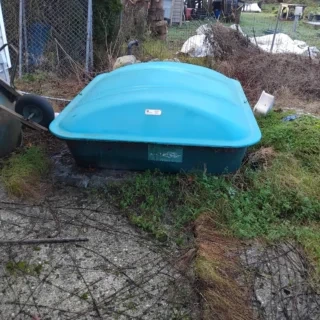
Fresh field imagery reinforces that the team works in real service conditions, not just on a brochure-style page.