
How long it has been happening
Recurring issues, first-time failures, and problems that worsened after heavy use all tell a different story.
Inspection and troubleshooting
This page is for Surrey homeowners who know something is wrong and need help sorting odours, alarms, wet spots, slow drains, recurring backups, or uncertain septic history before guessing at the fix.
Not ready to submit yet? Use this page to compare routine pumping questions, check urgent backup signs, review maintenance guidance for system history, or jump to the service request form once the symptoms are clear enough.
When to book
Plenty of owners search for septic pumping when what they really need is septic troubleshooting first. This page gives Surrey visitors a clearer option when the problem is repeated, confusing, or potentially bigger than routine maintenance.
What it can uncover
Troubleshooting content helps the site answer harder pre-conversion questions. It positions Surrey Septic as useful when the owner needs clarity, not only when the tank is obviously due.
What to include in the request
Recurring issues, first-time failures, and problems that worsened after heavy use all tell a different story.
Mention whether the problem is inside the home, outside near the field, or both.
If you are a new owner or have no service records, say so. Unknown history is useful context, not a problem.
Slow drains, gurgling fixtures, or one bathroom that keeps acting up can be the first sign that routine assumptions are not enough.
Wet patches, persistent odours, or greener-than-usual areas around the system can point to problems visitors struggle to interpret on their own.
Unknown pump-out dates, limited records, or inherited acreage systems are a strong reason to start with troubleshooting instead of guessing.
Trust and field context
Visitors dealing with septic uncertainty do not just need keywords. They need a page that feels connected to real field work, realistic property conditions, and a practical next step.
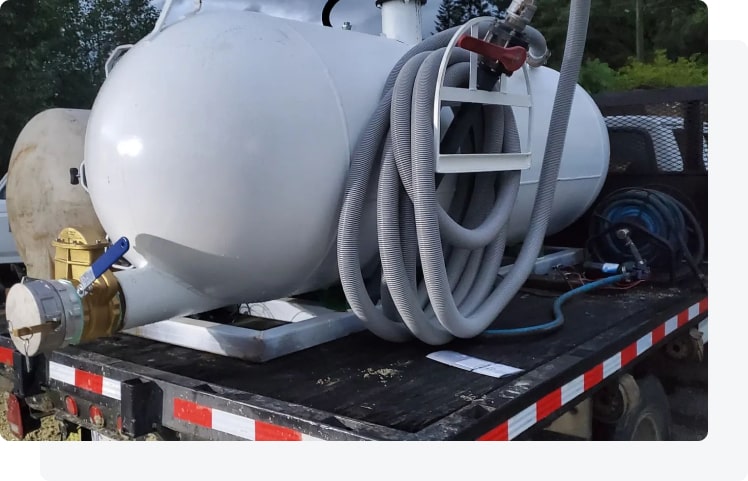
What this page helps sort out
Contact details
If the issue is unclear, use the request form to describe the symptoms in detail, or call if you want the fastest first conversation.
Next step
The form does not make visitors diagnose the system perfectly. They can choose inspection / troubleshooting, explain what they are noticing, and stay inside the same main request path as every other service page. If the property is in South Surrey, Cloverdale, Newton, Fleetwood, Guildford, or Port Kells, the Surrey service areas page gives a quick location check before submitting. If the issue now sounds routine rather than diagnostic, the pumping page is the cleaner fit, and if you mainly need a schedule baseline after buying the property, the maintenance guidance page helps frame the next step.
Related service paths
This troubleshooting page sits between routine maintenance and true emergencies, so the supporting internal links matter.
If the symptoms point to a routine pump-out rather than a bigger system problem, the pumping page is the cleaner fit.
See septic tank pumping in SurreyIf sewage is backing up indoors or wastewater is surfacing outside, move to the emergency page immediately.
See emergency septic backup helpIf you mainly want to understand service intervals and avoid future problems, the maintenance page is more useful.
Open septic maintenance guidanceFAQ
This page is aimed at unclear or recurring issues. Pumping is a maintenance action; inspection content is there for situations where the owner needs better direction first.
Yes. Sometimes troubleshooting points right back to overdue pumping. The point of the page is to catch uncertain visitors and guide them into the correct next step without losing the lead.
Yes. Unknown service history is one of the strongest reasons to start with inspection-oriented guidance and then decide what maintenance or follow-up work makes sense.
Use this page first if you want help understanding odours, alarms, wet spots, slow drains, recurring backups, or an inherited septic system before sending the request. It gives clearer symptom guidance, then routes back to the same request form.
Real field visuals
Inspection pages work better when they feel tied to real access checks, diagnosis, and field conditions instead of only explanation copy.
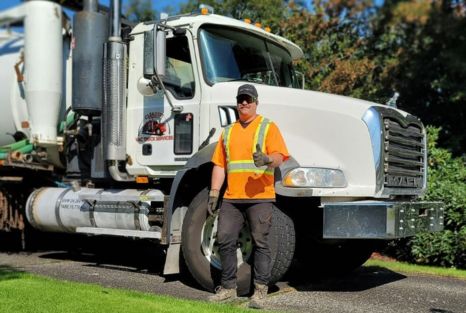
This image supports the inspection-first message more naturally than another abstract diagnostic panel.
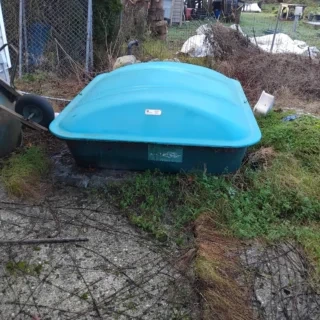
The feed post reinforces that deeper wastewater systems and maintenance realities are part of the real service world behind this page.